
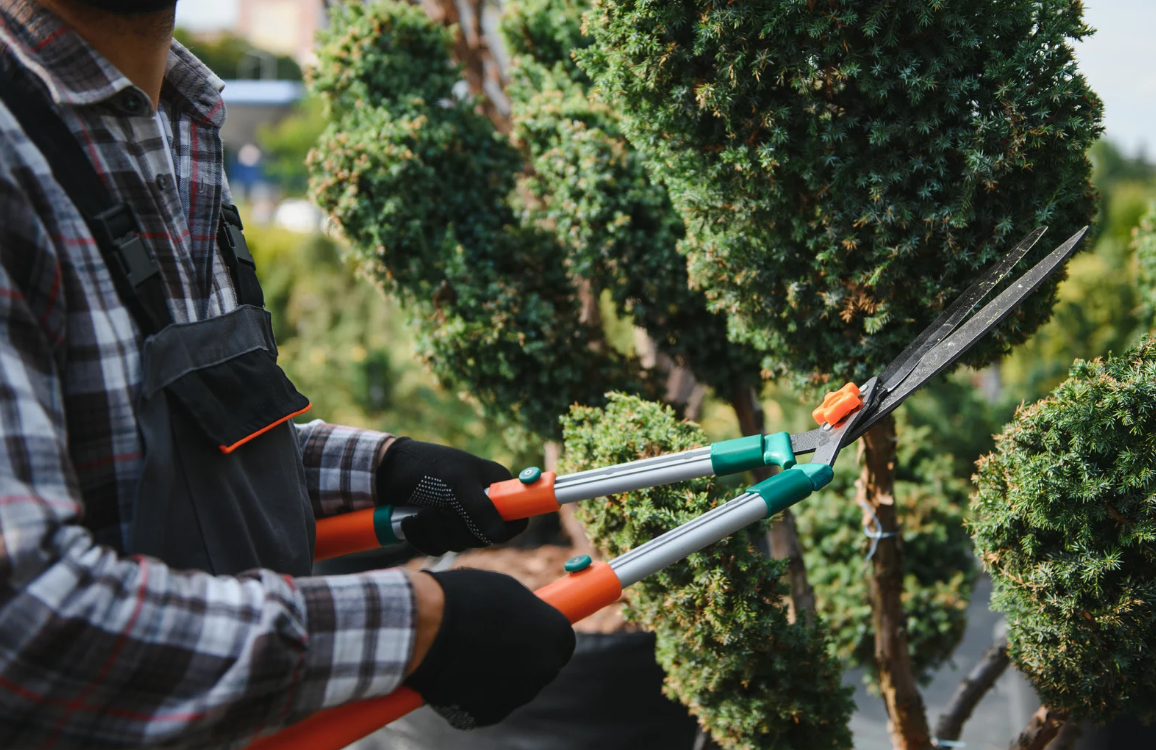
Proper tree trimming is a must for good cheer any time of year. Wondering how to get great results from your winter tree care? Here are some tips from the landscaping experts at Zebrascapes.
What to Trim, What to Avoid
Live in Arizona? Trim your deciduous trees (such as redbuds and fruit trees) and evergreens over winter while they’re dormant. Prune your mesquite trees anytime from late winter to early spring (before their new growth starts). Depending on your elevation/winter lows in your area, you may need to shape citrus trees in mid-February to avoid frost damage.
When trimming, always remove damaged, diseased, or dead branches first. Then shape the trees (and thin them out as needed) to improve air circulation, ensure all parts of the tree get good sun and water, and maintain structural integrity.
How to Time Winter Tree Trimming
- Deciduous Trees: Trim deciduous local trees (like redbuds, Japanese maples, and fruit trees) from December through February while they have no leaves. This makes it easier to see their structure and check for tree disease.
- Evergreens: Trim Arizona evergreens during the same winter period (Dec-Feb) when growth slows down.
- Mesquite Trees: Pruning Mesquites from late winter to early spring helps the tree wounds to heal and reduces the risk of pest infestation.
- Citrus Trees: Lightly shape around mid-February to avoid damage from any potential frost. Don’t overtrim or overprune.
Tree Trimming Safety
Safety first when doing any tree trimming, pruning, or landscape maintenance this winter. Wear your protective gear, like insulated gloves, boots, and safety glasses.
Knowing the signs of common Arizona tree diseases (and pest activity) is important to deal with threats proactively. If you’re unsure, don’t trim without asking an expert. You don’t want to risk losing these beautiful native plants in an area where they’re so scarce.
When we say trim for improved structural integrity, we mean removing branches that cross, rub against each other, or grow inward. That keeps your trees standing tall and strong, preventing untimely damage or breakage.
It may feel wrong to trim or prune trees. But done well, you’re helping rather than hurting them. Pruning limbs that are in bad shape and thinning dense trees improves air circulation and sunlight penetration, which helps prevent tree disease.
When pruning native trees, cut just outside the branch collar to help the tree heal properly. Avoid leaving stubs, and don’t cut flush with the tree trunk. Don’t trim right before a temperature drop: cold makes it harder for recently pruned branches to heal.
Don’t forget to sanitize pruning tools between trees to prevent the spread of disease from tree to tree (or species to species).
When in Doubt, Call an Expert
Tree trimming may be part of what brings you holiday joy. But if it’s more a cause for fear than cheer, Zebrascapes can help. We’re Northern Arizona locals who love caring for native trees and plants, whatever the weather. Contact us today to book your winter tree care services and head into the new year with peace of mind.